
After four hours of discussion, the decision on the Wonderland Pier property came down to council president Terry Crowley’s vote. With Crowley voting affirmative, the resolution to refer the future of the property to the planning board passed 4 to 3. The Planning Board will be asked to determine if the area at Sixth Street and the Boardwalk meets the requirements of an area in need of rehabilitation under New Jersey’s Local Housing and Redevelopment Law.
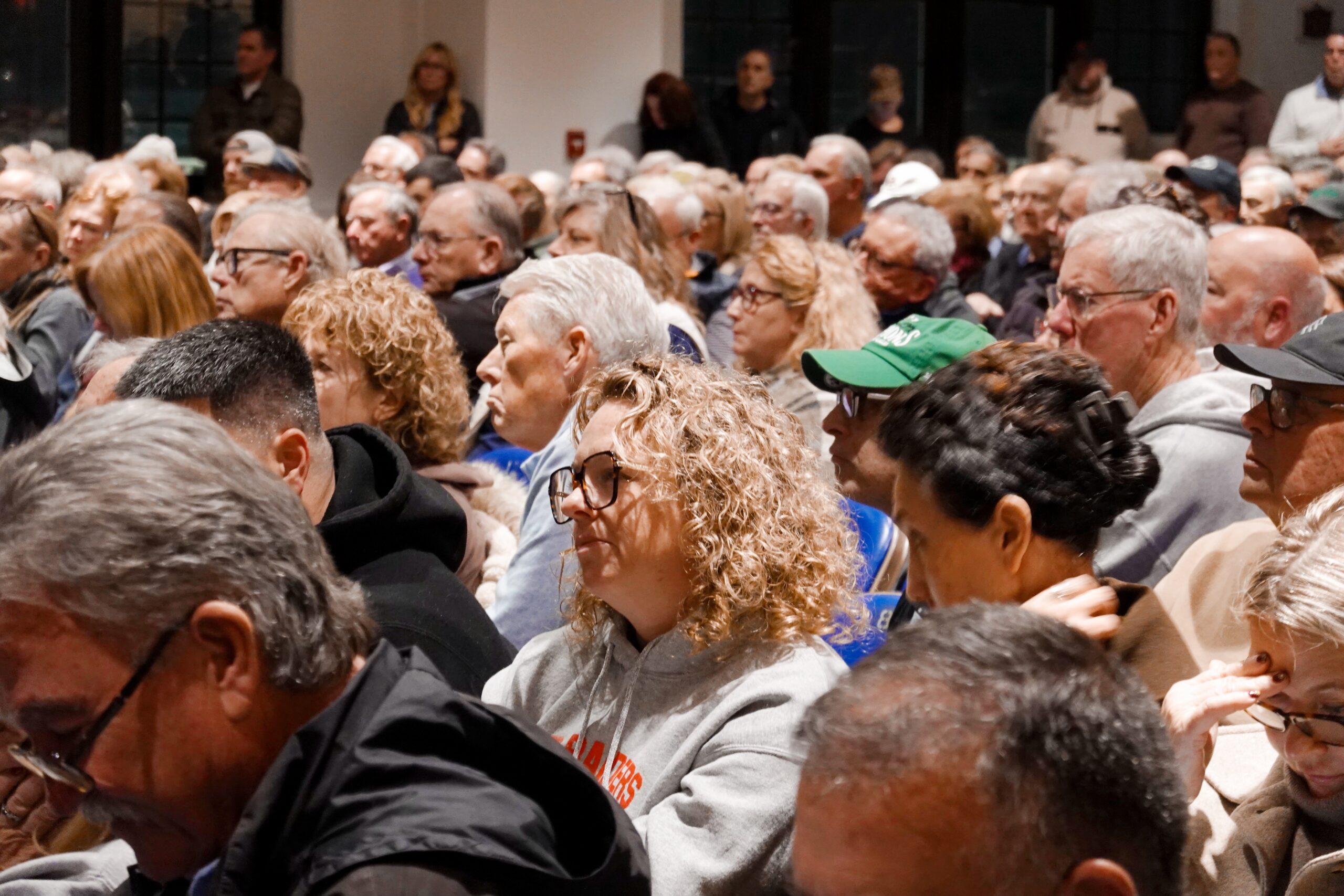
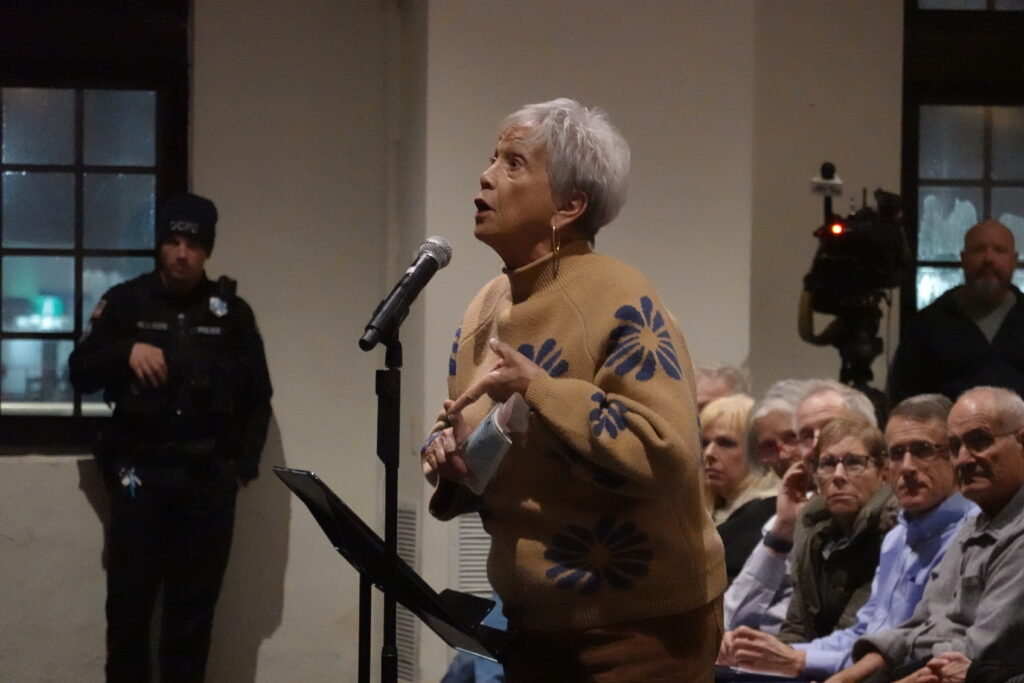
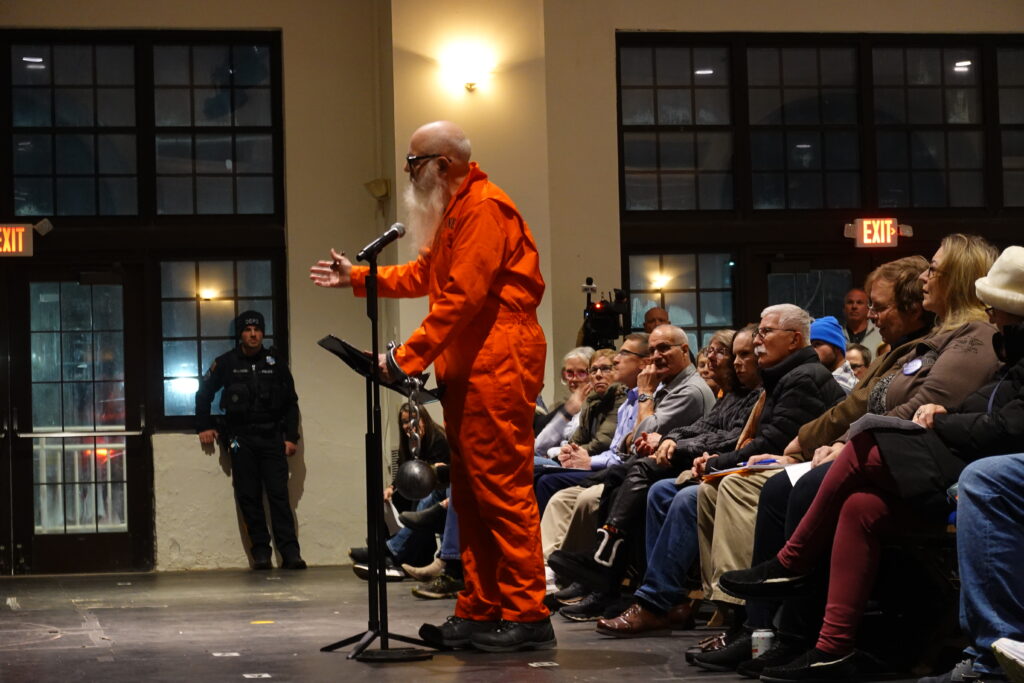
The council meeting was relocated to the city’s Music Pier, and indeed, turnout was huge. More than 450 people showed up to clap and sometimes cheer, both in support and opposition to the long-brewing Wonderland project.
The proposal to send this issue to the planning board shined a light on a growing split over the boardwalk’s future between resident groups vocally opposed to the luxury eight-story hotel concept and a business community desperate for something to come quickly on that north end property. They hope a major project like the 252-room ICONA hotel would increase foot traffic and attract visitors to that end of the boardwalk.
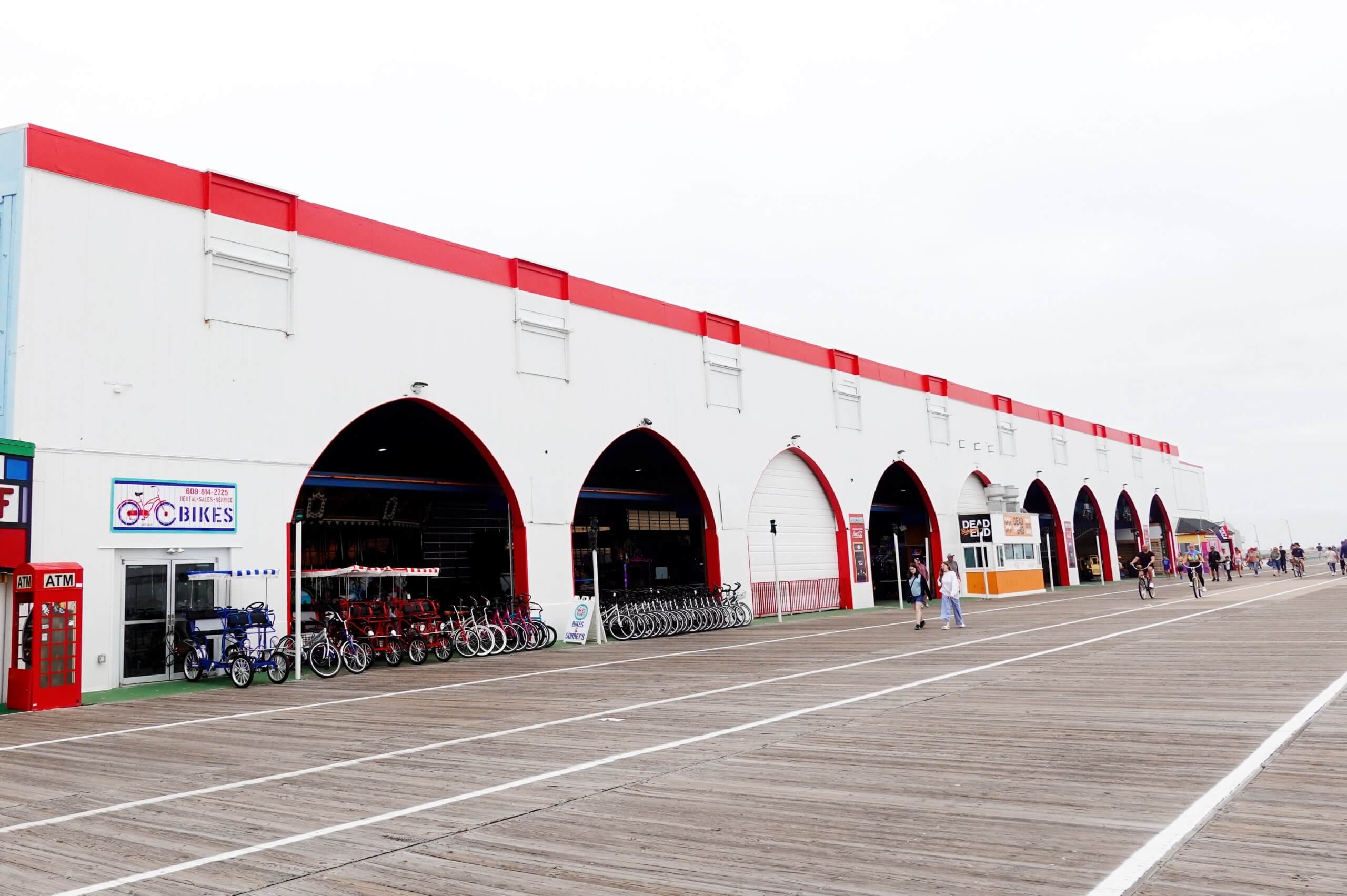
In August, a vote to refer the Wonderland property to the planning board for rehabilitation consideration lost 6 to 1, with only councilmember Tony Madden in favor. In this new vote, councilmembers Jody Levchuk, Tony Polcini, and council president Terry Crowley altered their votes from August and joined Madden to provide the four votes needed for this second resolution on the issue to pass.
In August, Crowley established a subcommittee to review the future of the entire boardwalk and the zoning regulations that would be needed to support a new vision. The subcommittee, with a mix of officials and residents, began its work and had a representative among the first to speak and give a status report at the public comment in the council meeting.
The large property that housed the Wonderland Pier amusement park closed in October 2024 after Mayor Jay Gillian, whose family had owned and operated the pier since 1965, declared the business no longer financially viable. The struggle over its future began soon after the pier went quiet.
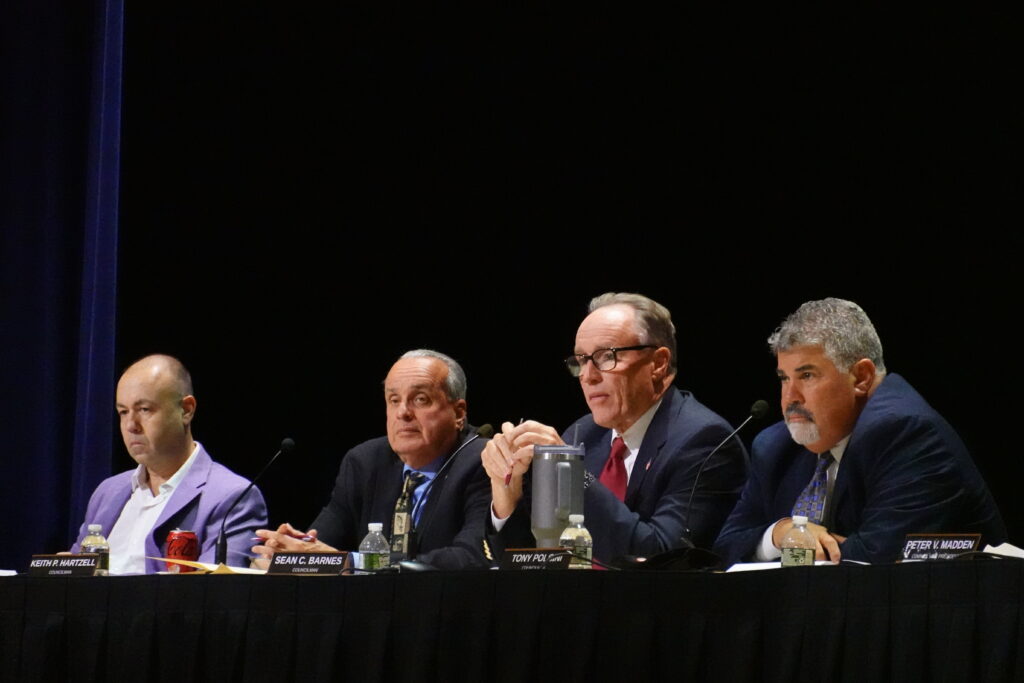
The property was bought from Gillian in 2021 by developer and ICONA CEO Eustace Mita, who then leased the land back to Gillian so the amusement park could continue to operate. At the same time, Mita developed a concept for a turn-of-the-century luxury resort hotel and retail space that he compared to iconic places like Congress Hall in Cape May.
Mita shopped that concept first in Cape May, where it received little support. He then brought the concept to Ocean City, seeking the use of city-owned land for his vision. Again, he received no substantial support. The concept was revived when the amusement pier closed, and land that Mita already owned became potentially available for his hotel complex.
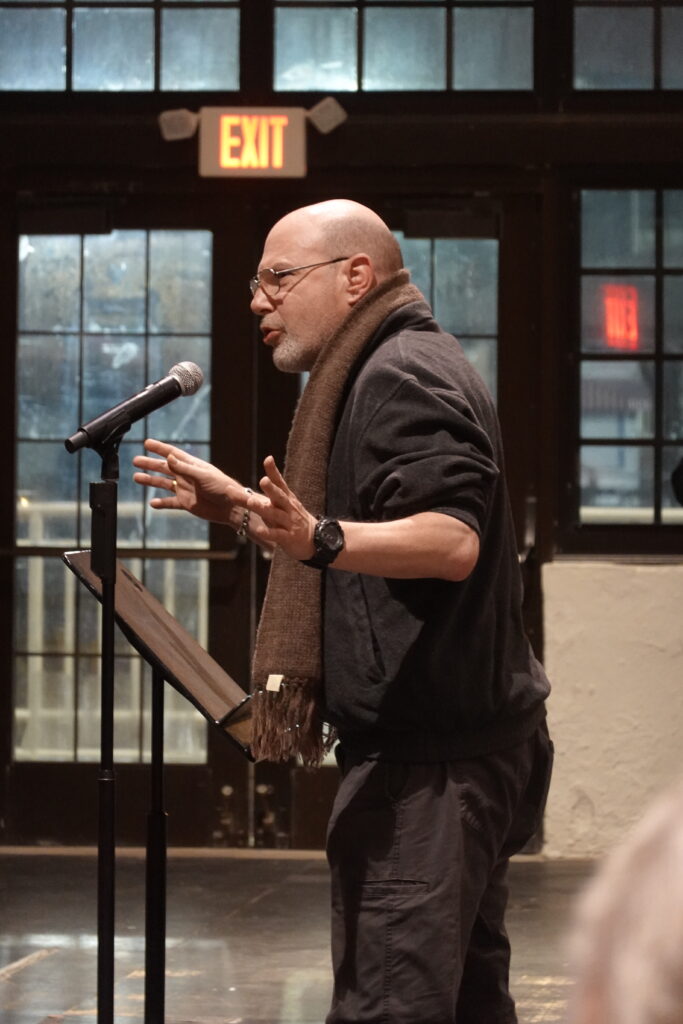
From the start of public comment at the December 4 council meeting, members of the public explicitly pointed to Mita’s proposal as the cause of yet another vote on a potential designation of the site as an area in need of rehabilitation. Yet, as one resident put it, “It has always been about the hotel.” Mita did not attend the council meeting.
The day before the council meeting, Mita and members of the city’s business community held a press conference to show that there is major support among business leaders for the ICONA project. While saying at the press conference that the vote at the council meeting was not about the hotel proposal, Mita himself said at the press conference that a no vote on referral of the property to the planning board would mean he would walk away from his proposed $150 million investment in the hotel complex. He would simply sell the land, he said.
As one resident at the council meeting said, given that comment, “How is this vote not about the hotel?”
Supporters of the referral who spoke at the meeting said that Wonderland’s closure is already harming local businesses. They raised the specter of a “ghost town” at the north end of the boardwalk. The hotel plan itself was not the attraction for many, but it offered something that might help rejuvenate their businesses.
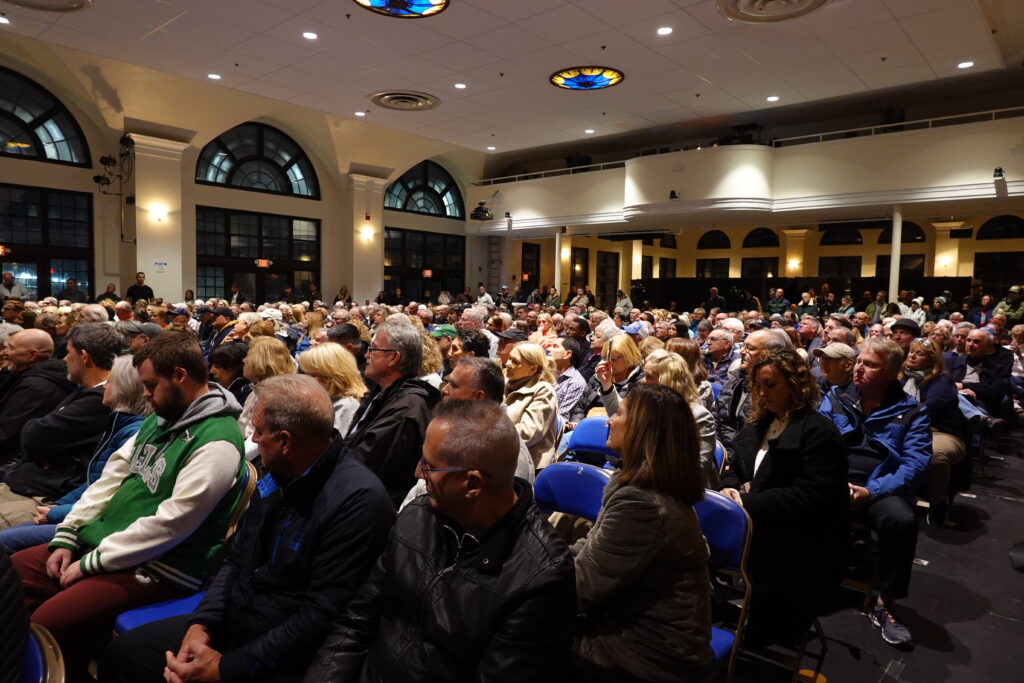
Those opposed described a “shadow” being cast over north end neighborhoods and “over the future of the city,” as Effie Russel expressed it. They urged faith in the process already underway at council’s own direction. An oft-repeated comment from the public was “What has changed since the August vote?” Some even argued that the hotel would be the opening through which liquor sales would come to the long-dry town.
The pleas from the business community had their impact. When he cast his deciding vote for the resolution, Crowley said, “We’ve been elected to lead, and not moving this forward right now is not leading and it’s not taking into account the business owners and the residents.”
Any planning board recommendations will have to return to the full council for an eventual vote on a designation of of the property as an area if need of rehabilitation. The ultimate decision rests with the council.