
Cancer is a complex disease and treating it often involves more than one type of therapy. Radiation treatment is one of the most effective tools in modern cancer care, yet many people don’t clearly understand how it works or what to expect.
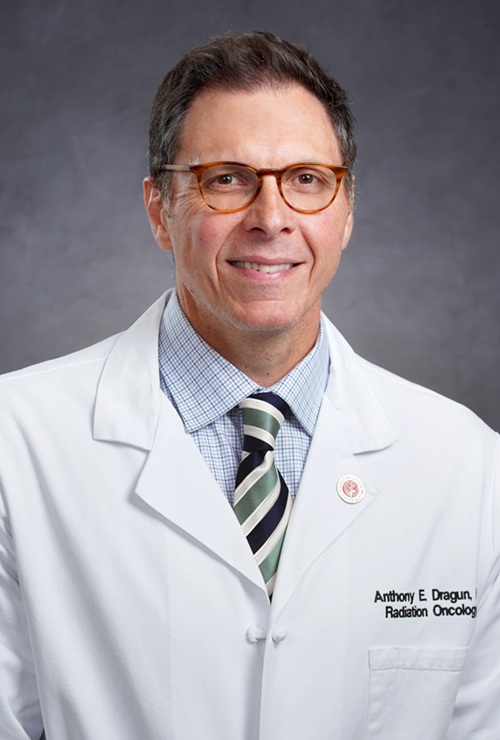
To help clear up some common misconceptions, Anthony Dragun, MD, Chairman and Chief, Department of Radiation Oncology at MD Anderson Cancer Center at Cooper, answers some of the most frequently asked questions about this safe, precise, and lifesaving treatment.
Q: What is radiation therapy?
Dr. Dragun: Unlike chemotherapy, which travels through the bloodstream, radiation therapy uses high-energy beams to target the specific area where cancer is located. These beams damage the DNA of cancer cells, preventing them from growing and dividing. Over time, the damaged cancer cells die, and the body naturally eliminates them.
Radiation is delivered in small, customized doses over several weeks, tailored to the tumor type and location for optimal effectiveness.
Q: How common is radiation therapy?
Dr. Dragun: Radiation therapy is widely used. About half of all cancer patients receive it at some point during their treatment. It may be used alone or combined with surgery, chemotherapy, or other systemic treatments to improve outcomes and reduce the risk of cancer recurrence.
Q: What types of radiation therapy are available?
Dr. Dragun: There are several types of radiation treatment, and the right one depends on the type, size, and location of the cancer.
The most common form is external beam radiation therapy, where a machine directs radiation to the tumor from outside the body. Advanced external techniques like intensity-modulated radiation therapy (IMRT), image-guided radiation therapy (IGRT), and stereotactic radiosurgery deliver radiation with enhanced precision, minimizing exposure to healthy tissue.
One of the most innovative options is MRI-guided radiation treatment, which combines a magnetic resonance imaging (MRI) machine with a linear accelerator. This technology provides real-time images of the tumor and allows precise radiation delivery that adapts to changes in the tumor’s size, shape, or position during treatment.
This level of precision and personalization can lead to fewer side effects, faster recovery, and better outcomes.
Internal radiation therapy (brachytherapy) involves placing small radioactive seeds inside or near the tumor, delivering high doses directly to the cancer while sparing surrounding tissue.
Q: Does radiation therapy make you radioactive?
Dr. Dragun: External radiation therapy does not make you radioactive. You can safely interact with family, friends, children, and pets during treatment. For certain types of internal radiation, temporary precautions may be needed while the seeds are in your body, but your care team will provide clear guidance.
Q: What does treatment feel like? Does it hurt?
Dr. Dragun: Radiation therapy is painless. You won’t feel, see, or smell the radiation during delivery. Each session lasts just a few minutes, similar to getting an X-ray. Most patients can maintain their daily routines, though some may experience mild, temporary side effects like fatigue or skin irritation in the treated area.
Q: Will I lose my hair during radiation therapy?
Dr. Dragun: Hair loss is limited to the area being treated. For example, radiation to the breast or prostate won’t affect scalp hair. If the head is treated, you may experience hair thinning or loss in that area. In many cases, hair regrows after treatment, though its texture or color may change slightly.
Q: Can radiation therapy be used to treat skin cancer?
Dr. Dragun: Yes, radiation therapy is an effective treatment option for certain types of skin cancer, particularly basal cell carcinoma, squamous cell carcinoma, and select melanomas. Unlike surgical methods, radiation therapy is non-invasive, and this approach can be especially beneficial for tumors in cosmetically sensitive areas or for patients who may not be ideal candidates for surgery.
To ensure the best outcomes, treatment should involve a board-certified radiation oncologist working closely with a dermatologist to tailor therapy, monitor side effects, and coordinate follow-up care.
If your dermatologist has recommended radiation treatment for your skin cancer, consider a second opinion from the region’s largest and most experienced radiation oncology team, now located at Cooper University Hospital Cape Regional.
Q: What should patients know before starting radiation therapy?
Dr. Dragun: It’s completely natural to feel anxious about starting treatment, but you are not alone. Our skilled, compassionate care team at MD Anderson at Cooper will support you every step of the way, from consultation to the celebratory bellringing at treatment’s end.
At MD Anderson at Cooper, radiation therapy is part of a multidisciplinary approach during which radiation oncologists, surgeons, medical oncologists, and other specialists work closely to design the most effective, personalized plan for each patient. We prioritize patient-centered care, taking time to listen, explain, and answer all your questions so you feel confident and supported throughout your treatment.