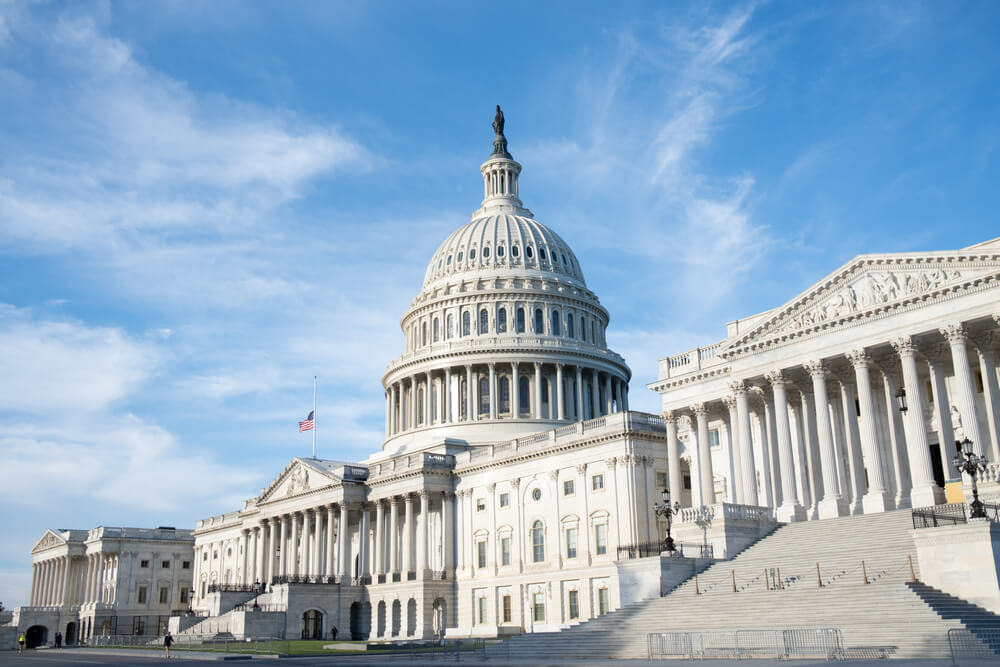
The federal government shutdown will produce disruption for many, but some key programs will continue without interruption. Following are some of the things that will not be affected, even though related services might be. The picture will change with time, with greater disruption the longer the shutdown lasts. Agencies that use other kinds of funds to keep services going may curtail those services as funds run out.
Social Security payments and Supplemental Security Income (SSI) will continue during the shutdown. Agency local offices are slated to stay open, but the furloughing of employees may make certain services delayed or unavailable. If the shutdown delays the consumer price index this month, that could impact when the Social Security cost of living adjustment is announced for 2026.
Medicare and Medicaid will continue. However, payments to doctors and other medical professionals could be delayed. Some doctors may be reluctant to see patients if payments are inordinately delayed. Providers with small practices may face cash flow issues if the shutdown is prolonged. The Health Insurance Marketplace will continue to operate. Some telehealth service extensions from the pandemic period expired with the shutdown. Some expanded opportunities for hospital at-home programs expired with the shutdown.
Medicaid services could be impacted in a prolonged shutdown. The Centers for Medicare and Medicaid says it has sufficient funding for Medicaid through the first quarter of fiscal year 2026. The first quarter runs to the end of December.
The U.S. Postal Service will function normally. The postal service is an independent self-funding agency that relies on its own revenue generation.
FEMA’s core disaster relief functions would operate normally. The National Flood Insurance Program would continue to meet its obligations to cover claims, and existing policies would remain in effect. New policies and renewal of existing policies would be curtailed, potentially impacting real estate sales and mortgages in a prolonged shutdown. However, House Speaker Mike Johnson said that FEMA would not be funded during the shutdown, which means even disaster relief could be impacted if the current amount in the fund, about $10 billion, is exhausted.
Air travel will be facilitated by the declaration that most TSA employees will be considered essential, as will air traffic controllers. There would be disruption in the training of new air traffic controllers, impacting plans to increase their numbers.
In many agencies existing grants will continue, but the review of applications for funding will be curtailed.
The Department of Education says that payments on student loans will still be due and that disbursement of Pell Grants and Federal Student Aid will continue. Use of the Free Application for Federal Student Aid (FAFSA) will still be available. Grants made during the summer will continue to be funded. Review of new grant applications will be curtailed.
The President and members of Congress will continue to be paid.
Contact the reporter, Vince Conti, at vconti@cmcherald.com.